Guides3 min read
Sponge, chiffon, butter or oil cake: describe the texture you want
Separate cake structure from flavour and frosting. Learn useful crumb vocabulary and compare the whole slice without guessing a recipe from its photograph.
In this article
Quick answers
- Vanilla and chocolate describe flavour; they do not identify a mixing method.
- An airy crumb and a light-feeling frosting are separate things.
- A tall decorated cake photograph cannot reveal the texture inside.
Why ‘soft cake’ is an incomplete description
One person uses soft to mean an airy sponge that yields immediately; another means a rich, tender bite that holds together on a fork. A third is remembering a generous layer of cream rather than the cake itself. Before choosing a flavour for a Cumilla celebration, say which experience you mean. It makes the conversation more useful than asking for every cake to have the same texture.
A photograph of a smooth exterior tells you almost nothing about this. Even a cut slice is only partial evidence: you can see layers and the apparent crumb, but you cannot feel how it eats. Use a slice image as a question about structure, not proof of a recipe or a promise of softness.
Four names, several methods
King Arthur’s cake guide distinguishes butter, oil and sponge families. Creaming butter with sugar is one butter-cake method; sponge recipes often rely on beaten eggs for air, while oil cakes use oil as the fat. These are broad categories with variations, not a ranking from best to worst.
Its chiffon example combines whipped egg whites with oil and yolks. That explains why chiffon can bring an airy structure and some richness together. None of these reference recipes identifies the method used in the studio’s menu; ask about the actual cake if the distinction matters to you.
Use words that explain the bite
| Word | What to clarify |
|---|---|
| Airy | Do you mean an open, light-feeling cake crumb? |
| Tender | Do you want a bite that breaks easily rather than feeling chewy? |
| Rich | Is the richness coming from cake, filling or frosting? |
| Moist | Are you describing the cake itself or a soaked/filled layer? |
| Firm | Is a neater serving slice more important than a very delicate crumb? |
These questions describe preferences rather than laboratory measurements. You do not need technical baking language to order a cake. A clear everyday comparison—‘we enjoyed the cake more than the thick topping’—can tell the maker more than several unfamiliar recipe labels.
Compare the complete slice fairly
If you are comparing cake descriptions or tasting options that are actually available, keep the serving context in mind. A large amount of filling can dominate a small piece of sponge. A different frosting can change your overall impression even when the cake layers are similar. Note the part you are judging instead of giving the whole slice one vague label.
A useful note has three lines: cake texture, filling impression and outside finish. Keep ingredient suitability separate: an airy appearance does not establish less sugar, fewer calories, an egg-free recipe or any allergy claim. For those needs, ask the specific ingredient questions before confirming.
A better way to describe your preference
Flavour we prefer: …
Cake texture we enjoy: …
Filling preference: …
Outside finish: …
An earlier cake we liked, and why: …
Please describe the available version rather than matching a recipe name alone.
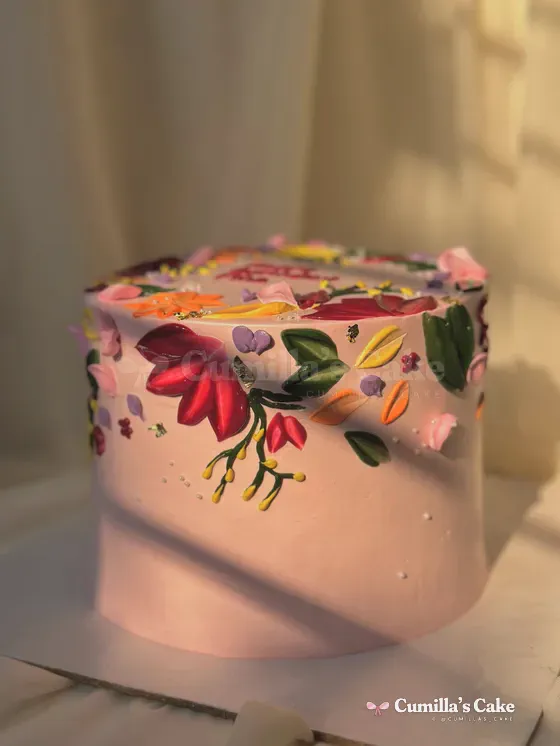
Then return to the visual brief. A floral, vintage or hand-painted exterior is another layer of the decision. Agree the inside you want and the outside you love without assuming that one reveals the other.
Questions people ask
Is sponge a flavour like vanilla?
No. Sponge describes a broad cake structure or method, while vanilla describes flavour. Menus may use the terms differently, so ask about the actual cake.
Is chiffon the same as every oil cake?
No. Chiffon uses a particular approach combining egg foam and oil; the broader oil-cake category includes other methods.
Does an airy cake mean a lighter nutritional option?
Texture alone does not establish ingredients or nutrition. Do not infer dietary suitability from the crumb or photograph.
Cakes from this article
Keep reading
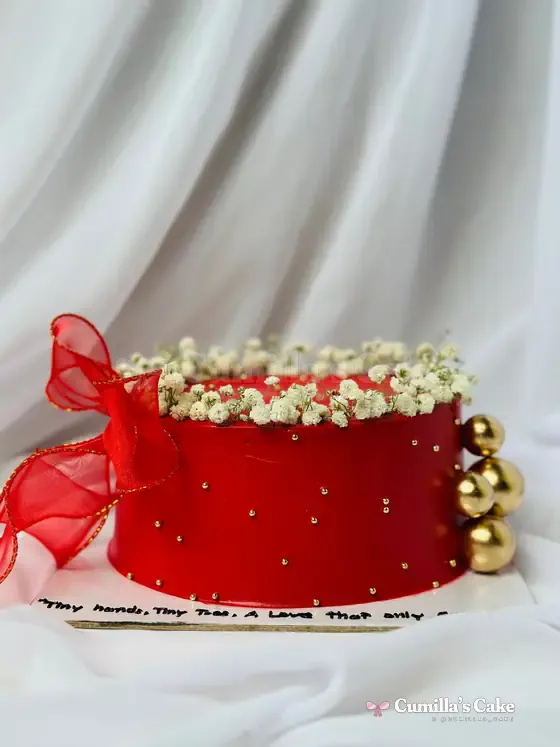 Red velvet or chocolate cake? Compare flavour, crumb and finishUnderstand why red velvet is a cake style rather than simply a red exterior, then compare the actual sponge, filling and finish before choosing.Read
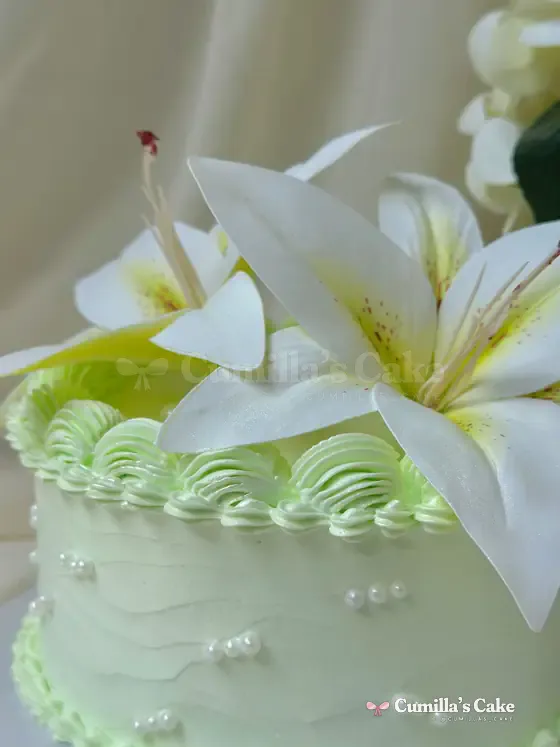 What is pandan cake? Understand the aroma before choosingMeet pandan as a culinary ingredient, separate green decoration from flavour, and prepare a useful first-time pandan cake enquiry in Cumilla.Read
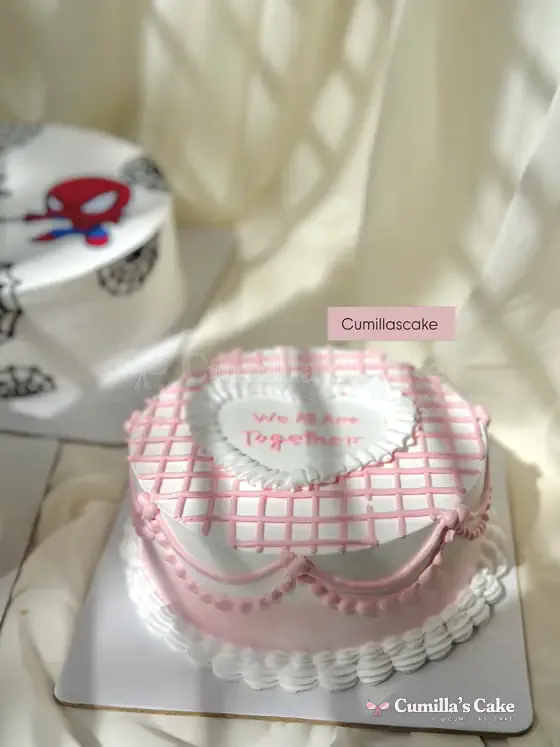 Buttercream, whipped cream, ganache or fondant? Know the finishA useful guide to cake-finish vocabulary: distinguish the sponge, filling and outside, then describe the taste and decoration you actually want.Read