Care3 min read
Why does a cold cake sweat? Condensation, melting and what to do
Understand droplets on a chilled cake, distinguish surface moisture from a changing shape, and protect both the finish and the cake’s required cold storage.
In this article
Quick answers
- Water droplets can form when humid air meets a sufficiently cold surface.
- Droplets and a slumping finish are different observations; they can also occur together.
- A dry-looking cake is not proof that its ingredients have been stored safely.
Think of the outside of a cold glass
The US National Weather Service explains dew point using examples including moisture on a cold bottle: water vapour can condense when a surface is cold enough relative to the surrounding air. The same physical principle can help explain droplets on a chilled cake. The water need not have leaked out of the cake; some can come from moisture in the air.
This is an explanation of a possible surface effect, not a diagnosis of every wet cake. Syrup, filling movement, a damaged box or changes in the finish are other things a maker may need to assess. Tell Mari what you actually see and when it appeared rather than deciding that all moisture is harmless condensation.
Describe the change, not just ‘it is melting’
| What you notice | Information to record |
|---|---|
| Fine droplets, shape unchanged | Where they appeared and whether the cake had just moved from cold storage |
| Colour running or writing blurring | Which area changed; avoid rubbing the lettering |
| Leaning, sagging or sliding | Photograph the change and contact the maker about handling |
| Moisture inside the box | Check the box condition and explain the transport/storage sequence |
The table is a way to organise observations, not a safety test. More than one change can happen at once. A cake can show condensation while its decoration is also becoming less stable, so do not use the presence of droplets to dismiss an obvious shift in shape.
Protect the finish without improvising a repair
Keep the cake level and follow the packing and unboxing instructions given at handover. Repeated touching, wiping or pressing a delicate surface can turn a small visual issue into smeared colour or damaged piping. If you need advice, one clear photograph of the whole cake and one of the affected area are more helpful than repeatedly handling it to inspect every side.
Do not warm a cake that needs refrigeration simply to make its surface dry for a photograph. A cosmetic aim should not override the requirements of the filling and finish. Ask how the actual cake should move from storage to serving, and keep that plan separate from attempts to improve its appearance.
Plan the transitions in a Cumilla handover
A journey can involve several different environments: the maker’s storage, transport, a receiving room and the serving table. Describe the sequence when asking for care instructions. If the destination is an office or a family venue, have the receiving person ready and the required storage available before the box arrives. A last-minute search for space adds handling without helping the design.
For a humid or rainy day, plan the sheltered entrance and the shortest practical handover rather than assuming that a particular season makes every cake behave the same way. The rainy-day guide covers the receiving logistics; this article explains a separate surface-moisture question.
Keep appearance and food safety separate
For cakes requiring refrigeration, preserve the required cold-storage plan. FDA storage guidance concerns handling time and temperature; the shine, dryness or beauty of the frosting cannot establish those conditions. If the storage history is uncertain, ask for advice based on that history rather than tasting the cake to test it.
Questions people ask
Do droplets always mean the frosting is melting?
No. Condensation can form on a cold surface, but droplets can coexist with other changes. Describe both the moisture and any movement of the cake.
Should I wipe the lettering dry?
Avoid rubbing a delicate finish. Follow the maker’s advice for the actual material so you do not smear the design.
Is a cake safe if it still looks beautiful?
Appearance is not a reliable food-safety test. The ingredients and time-temperature history matter.
Cakes from this article
Keep reading
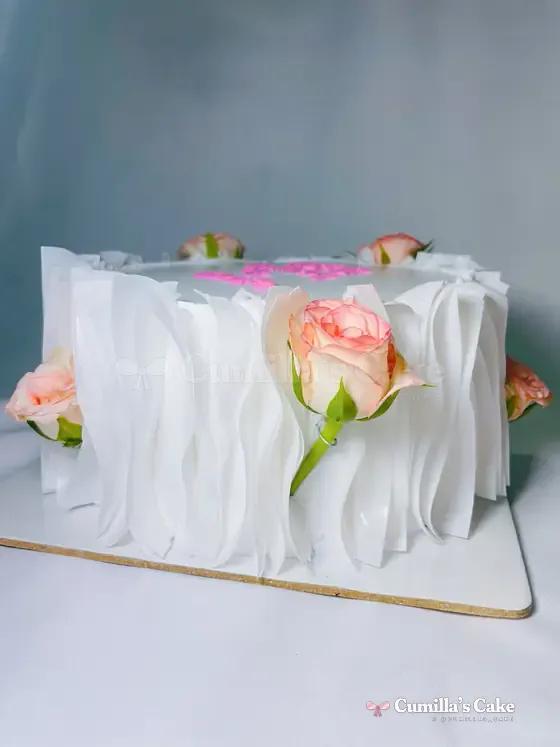 Leftover cake: portion, label, freeze and thaw with a planDecide whether your finished cake is suitable for freezing, preserve useful storage details and thaw only what you need without treating freezing as a safety reset.Read
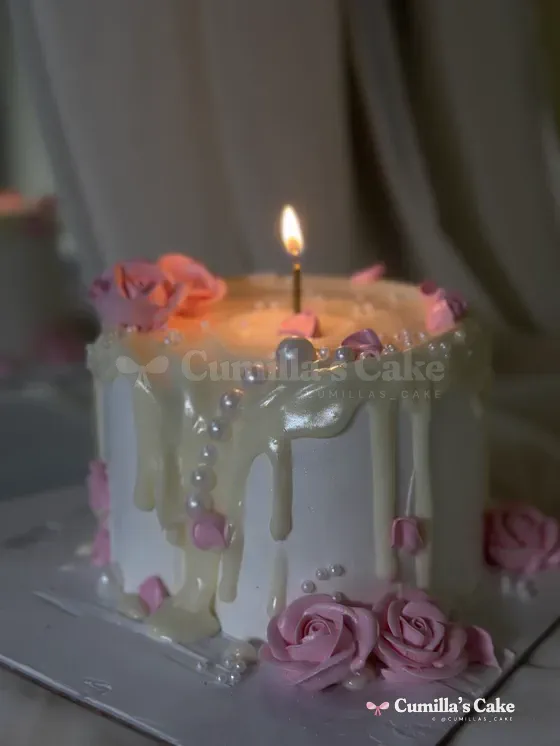 How to keep your cake perfect in Cumilla’s heat, humidity and load-sheddingCream cakes and Bangladeshi summers are not friends. A few simple habits keep your cake looking exactly like the photo until the candles are lit.Read
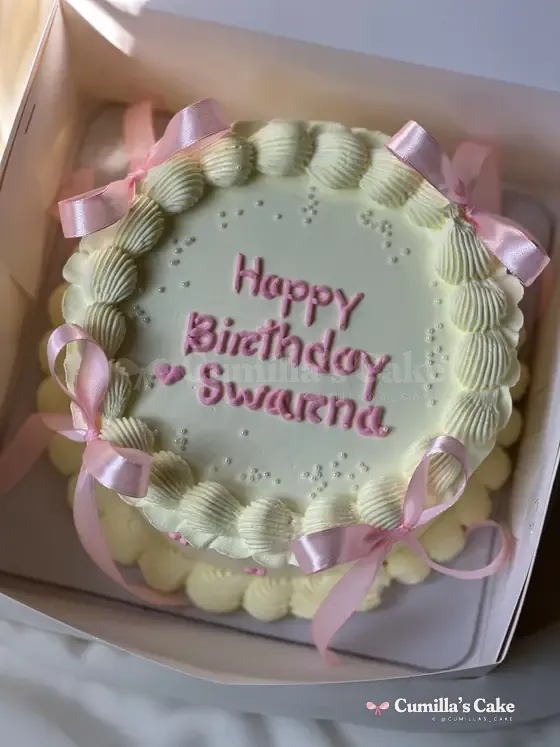 A rainy-day cake handover in Cumilla: plan the last few stepsPrepare a sheltered receiving point, a reachable contact and suitable storage for a Cumilla cake handover. Check current weather and agree changes directly with Mari.Read